Madrid in August has a bad reputation. The city empties, the asphalt steams, and those who can pack their bags and head to the sea. But those who stay —or those who arrive as tourists when the big coastal destinations are crowded— discover something that lifelong Madrileños already know: August in Madrid has its own energy that is unmatched in any other month of the year. Neighbourhood festivals, movie nights under the stars, museums without queues, and a cultural agenda more generous than one might expect. The question of what to do in Madrid in August has many more answers than one imagines.
The street festivals: the heart of Madrid's August
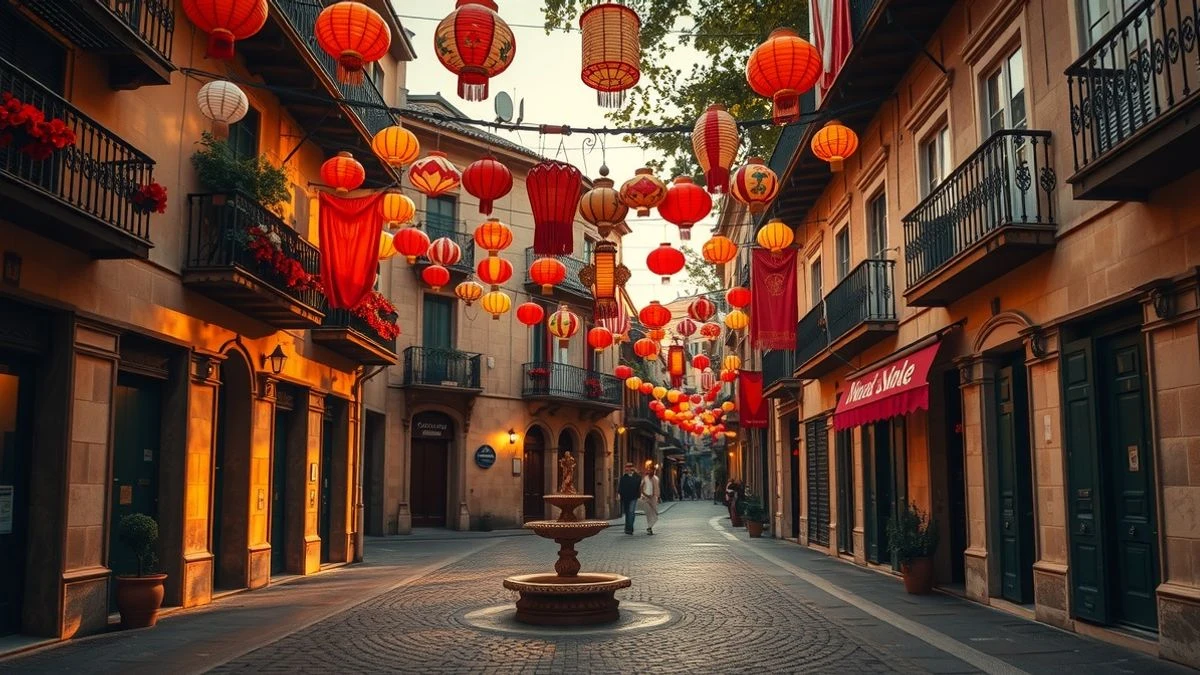
If there is something that defines August in Madrid, it is the cycle of popular street festivals that traverse the neighbourhoods of the city centre. These are traditional, street-based, community celebrations where tradition coexists with noise and joy without asking for permission. They are celebrated in Lavapiés, La Latina, and surrounding areas, forming a calendar that is impossible to ignore.
Everything kicks off with the Fiestas de San Cayetano, which each year signal the start around August 5 and last for several days. The epicentre is on Calle del Oso and in Plaza de Cascorro, where locals decorate the streets with shawls, distribute free lemonade at sunset, and organise shows ranging from children's performances to the already legendary drag queens of the neighbourhood. The Town Hall stage is set up in Plaza General Vara del Rey, with parades of chulapos and concerts that go on until well into the early hours. No costume is necessary, although if someone wears a parpusa —the traditional Madrid beret— or pins a carnation to their lapel, they are already set.
Next come the Fiestas de San Lorenzo, which have their headquarters in Lavapiés for several days in mid-August. The procession that departs from the Church of San Lorenzo marks the official start, and from there the party unfolds through Plaza de Arturo Barea, the streets of Amparo and Sombrerete, Plaza de la Corrala, and Parque Casino de la Reina. Theatre, copla, family performances, and artistic interventions are spread throughout the neighbourhood.
The climax of the cycle is the most anticipated: the Fiestas de la Virgen de la Paloma, celebrated between August 14 and 17 in the Jardines de la Vistilla, in the heart of La Latina. It is the most crowded and the most emotional. The highlight is the descent of the Virgin's painting by the Madrid Firefighters at the Church of La Paloma, a ritual that each year gathers hundreds of people, blending popular devotion with street spectacle. Plaza de la Paja also comes alive during these days, with national artists taking turns on the main stage.
Outdoor culture: the festival that fills the summer
Beyond the street festivals, Madrid has been betting on a summer cultural programme that does not rest in August for decades. The Veranos de la Villa is the umbrella under which dozens of proposals for music, theatre, dance, and cinema are grouped across various spaces in the city, from early July to late August. A broad, heterogeneous, and accessible festival that turns the capital into a vibrant stage when other cities hibernate culturally.
Within this outdoor proposal, the summer cinema at Parque de la Bombilla deserves a separate chapter. The Fescinal festival screens two films each night in a venue next to the Príncipe Pío station, with spacious chairs, snack stalls, and the breeze from the Manzanares in the background. The programme mixes commercial premieres, classics of Spanish cinema, and more independent offerings. The screenings start at sunset, and bringing your own picnic is allowed. It is one of those plans that feels especially good in summer because it combines culture, cool night air, and an informality that conventional cinemas cannot offer.
Escaping the heat without leaving the city
The heat of August in Madrid is real, and there is no point in denying it. Temperatures can reach or exceed 40 degrees on the worst days, which forces a reorganisation of the agenda: active mornings, refuge afternoons, and nights to make up for lost time. There are several strategies that work well.
The first is to take advantage of the museums. The art triangle —Prado, Reina Sofía, and Thyssen-Bornemisza— is in full swing in August, but with a not insignificant detail: many tourists have gone to the coast, so the galleries are less crowded than usual. It is one of the best times of the year to stand in front of Guernica without anyone pushing you, or to stroll through the Velázquez rooms in the Prado at a leisurely pace. Moreover, all these museums have free access hours that should be checked before going: the Prado opens free of charge from Monday to Saturday from 6 to 8 PM, and the Reina Sofía from Monday to Saturday from 7 to 9 PM. The Thyssen has its own free nights on Saturdays.
For those who prefer more intimate museums, Madrid has magnificent options. The Sorolla Museum, with its Andalusian garden and summer house atmosphere, is a discovery for many. The Museum of Romanticism has a 19th-century air and freshness that invites you to linger. And spaces like CaixaForum or La Casa Encendida always have something new in their temporary exhibitions.
The second strategy is Madrid Río. This green corridor that borders the Manzanares has play areas, interactive fountains, water jets, and large expanses of grass where you can spend the afternoon without spending a euro. The Explanada del Puente del Rey is especially popular in summer for its water facilities. You can arrive by bike, rollerblades, or simply walking, and the combination of shade, breeze, and family-friendly atmosphere makes it one of the best plans for families with children.
A sunset worth seeing
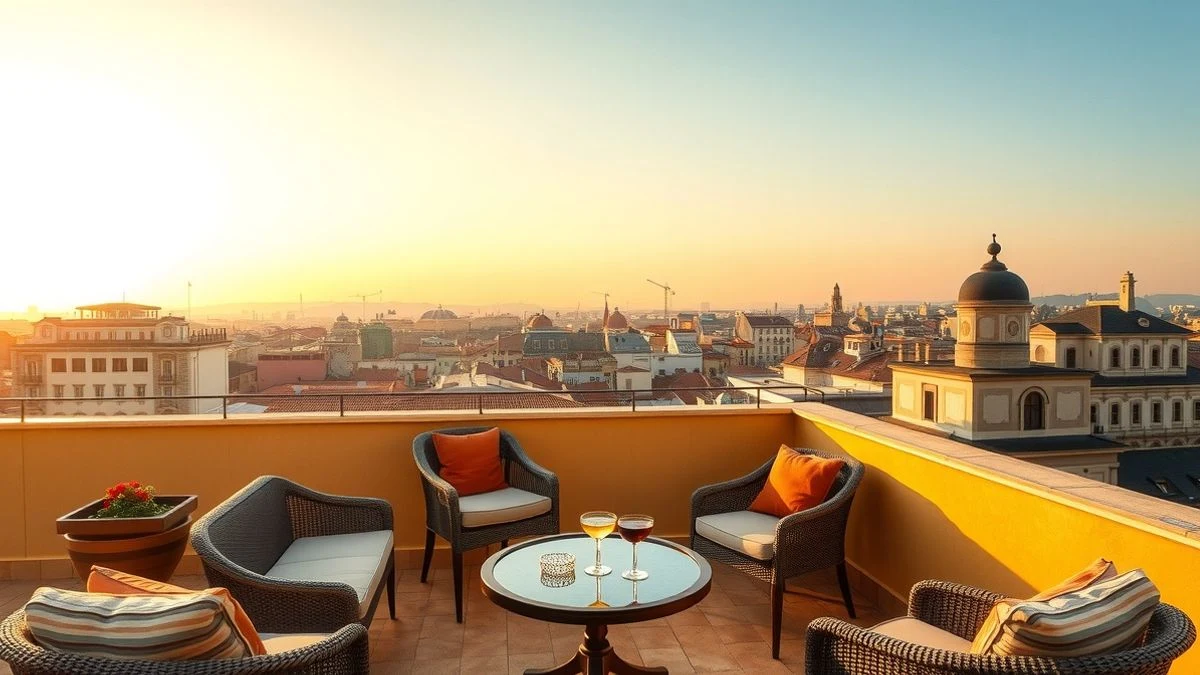
If there is one plan that appears on all lists of what to do in Madrid in August, it is watching the sunset from the Templo de Debod. This monument of Egyptian origin, donated to Spain in the sixties, is located on a viewpoint next to Parque del Oeste with panoramic views towards Casa de Campo and the mountains. Entry is free, the light show at the end of the afternoon is hard to beat, and the atmosphere created there —with people sitting on the grass, occasional musicians, couples, and groups of friends— has a collective ritual feel that is very Madrileño.
Access to the Mirador de la Cornisa, another point with spectacular views over the river and the mountains, is also free and open from Monday to Sunday. These are the spots that visitors discover with surprise and locals take for granted, and that in August, with long, warm nights, reach their best version.
Madrid in August is not the half-asleep city that some imagine. It is a city that has learned to live summer in its own way: with street parties, art in museums, cinema under the stars, and sunsets that don’t need a beach to be perfect.
You may also like