Madrid has a virtue that is not always sufficiently appreciated: its geographical position in the centre of the peninsula makes it the perfect starting point for anyone wanting to change their surroundings without spending too many hours on the road. In just two or three hours by car or train, one can go from the hustle and bustle of the capital to a town with centuries of history, to a mountain range with silent trails, or to a city with a gastronomic offer that can compete with any European destination. Weekend getaways from Madrid are not only feasible; for many Madrileños, they are almost a therapeutic necessity.
The range of options is so broad that the difficulty lies not in finding a destination, but in choosing one. Mountains or beach? Culture or nature? Gastronomy or adventure? The good news is that practically all of these plans fit into a weekend from the capital, and some even in a Friday afternoon-evening with a return on Sunday afternoon.
Toledo, the city that never disappoints
Just 75 kilometres from Madrid, Toledo is probably the most visited destination and, at the same time, one of the least exhausting. Declared a UNESCO World Heritage Site, the city holds in its alleyways a layering of cultures —Christian, Muslim, and Jewish— that has no equivalent in Spain. The Alcázar, the Primatial Cathedral, the Jewish quarter with its medieval synagogues, and the views of the Tagus River from the Valley viewpoint are must-see stops, but the most interesting experiences usually happen when one gets lost without a map in its cobbled streets.
Toledo also offers solid gastronomy: the Toledo knife in the form of marzipan, carcamusas, or good game in the restaurants of the historic centre are compelling reasons to stay overnight and not try to see everything in one day.
Segovia and the Aqueduct that continues to impress
Another classic getaway, and rightly so. Segovia is just over an hour's drive and less than thirty minutes by high-speed train, making it one of the most convenient options for a short weekend. The Roman aqueduct, built without mortar and still standing after twenty centuries, is one of those monuments that become more impressive the closer you get.
But Segovia is not exhausted by the aqueduct. The Alcázar, with its fairytale silhouette, the La Judería neighbourhood, and the 16th-century Cathedral deserve time. And for dining, the Segovian-style roast suckling pig is almost obligatory: there are restaurants where the same recipe has been practiced for generations. A night in the city also allows one to discover a quieter and more authentic atmosphere than what daytime tourism offers.
The Sierra de Guadarrama, Madrid's natural lung
For those seeking the outdoors without needing to cross an autonomous community, the Sierra de Guadarrama is the answer. The Guadarrama National Park offers routes for all levels, from family walks by the reservoirs to demanding ascents like the climb to Peñalara, the highest peak in the system at 2,428 metres.
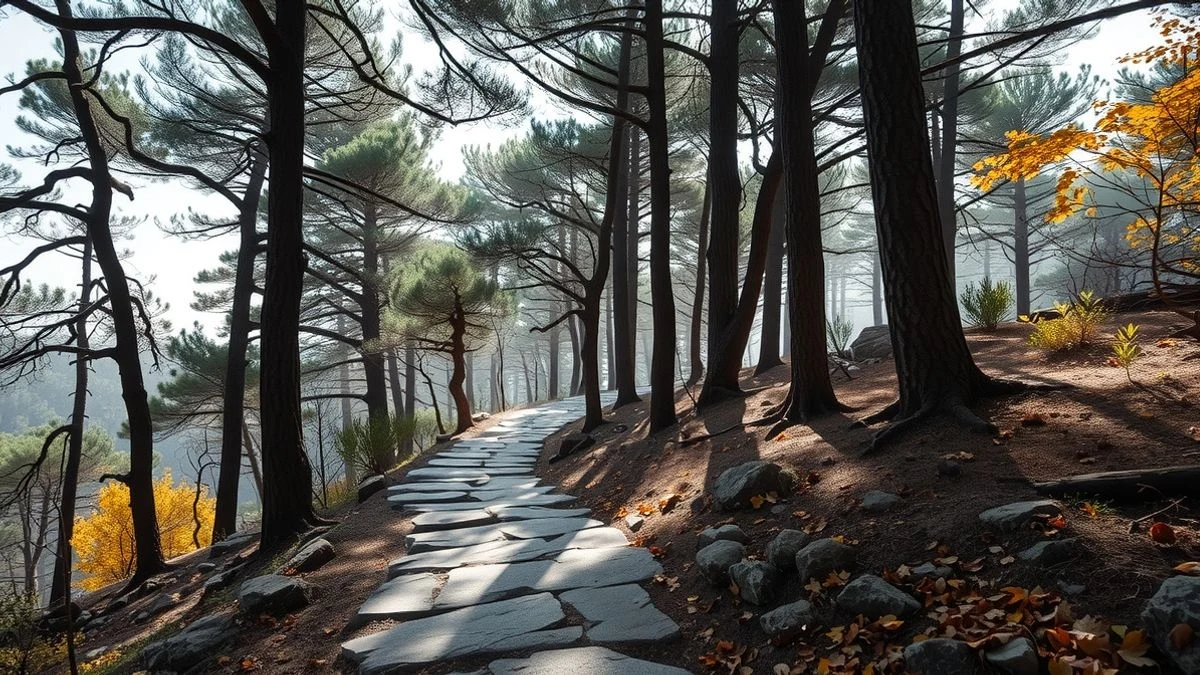
In winter, Navacerrada and Valdesquí allow for skiing without leaving the region. In spring and autumn, the pine and oak forests take on colours worth photographing. And in summer, the mountain villages —Cercedilla, Rascafría, El Espinar— offer temperatures several degrees below those of the capital, which is already a compelling argument.
Cuenca, surrealism between gorge and rock
Cuenca is one of those destinations that surprises even those who think they know it well. The Hanging Houses, literally suspended over the void between the gorges of the Júcar and the Huécar, are the most recognisable image, but the city has much more: a 12th-century Gothic cathedral, the Museum of Spanish Abstract Art —located precisely in those hanging houses—, and a network of viewpoints from which the perspective of the historic centre seems almost unreal.
Cuenca is about 165 kilometres from Madrid, placing it around two hours by car or slightly less on the AVE. It is an ideal destination to combine culture, photography, and tranquility. The hotel offer in the historic centre has grown significantly in recent years, with several charming accommodations set in rehabilitated buildings.
Salamanca, beyond the university
About 210 kilometres west of Madrid, Salamanca is a captivating city. The Plaza Mayor, considered by many to be the most beautiful in Spain, the Old and New Cathedrals —adjoined to each other—, and the golden stone buildings of Villamayor that change tone depending on the time of day make Salamanca an extraordinary photographic destination.
The university presence also gives it an active nightlife and cultural scene throughout the year. The bars on Van Dyck Street, the tapas included with drinks, and the Plateresque architecture are details that set Salamanca apart from other Castilian cities. It can be reached in about ninety minutes by car or bus, and accommodation prices are usually more affordable than in other top tourist cities.
Cáceres and the lesser-known Extremadura
Cáceres is possibly one of the most underrated destinations for weekend getaways from Madrid. Its walled historic centre, also a UNESCO World Heritage Site, preserves virtually intact medieval and Renaissance architecture. Unlike other historic centres, Cáceres is not overrun by commercial chains: its streets within the wall maintain a stately and silent atmosphere that is increasingly hard to find.
Extremadura, moreover, is a land of good food: Iberian pork, Torta del Casar cheeses, and wines from the D.O. Ribera del Guadiana are sufficient reasons to extend the stay. The journey from Madrid takes about three hours by car, or a bit longer by train, making it a perfect getaway for a long weekend.
Practical tips for organising the trip
Regardless of the chosen destination, there are some habits that make a difference. Booking accommodation in advance —especially during high season and holiday weekends— avoids more than one disappointment. Leaving Madrid on Friday night instead of Saturday morning allows for more time and helps to avoid the usual traffic on the A-6, A-1, or A-4 during peak hours.
It is also worth checking the cultural agenda of each destination before travelling: many municipalities organise medieval markets, music festivals, or gastronomic fairs on certain weekends that can greatly enrich the experience. And if the plan includes children, the mountains, Toledo, or Segovia tend to work particularly well.
In short, Madrid is not just a city of arrival. For those living in it, it is also a privileged starting point to some of the richest landscapes, monuments, and flavours of the peninsula. And the best part is that almost all are just a couple of hours away.
You may also like